
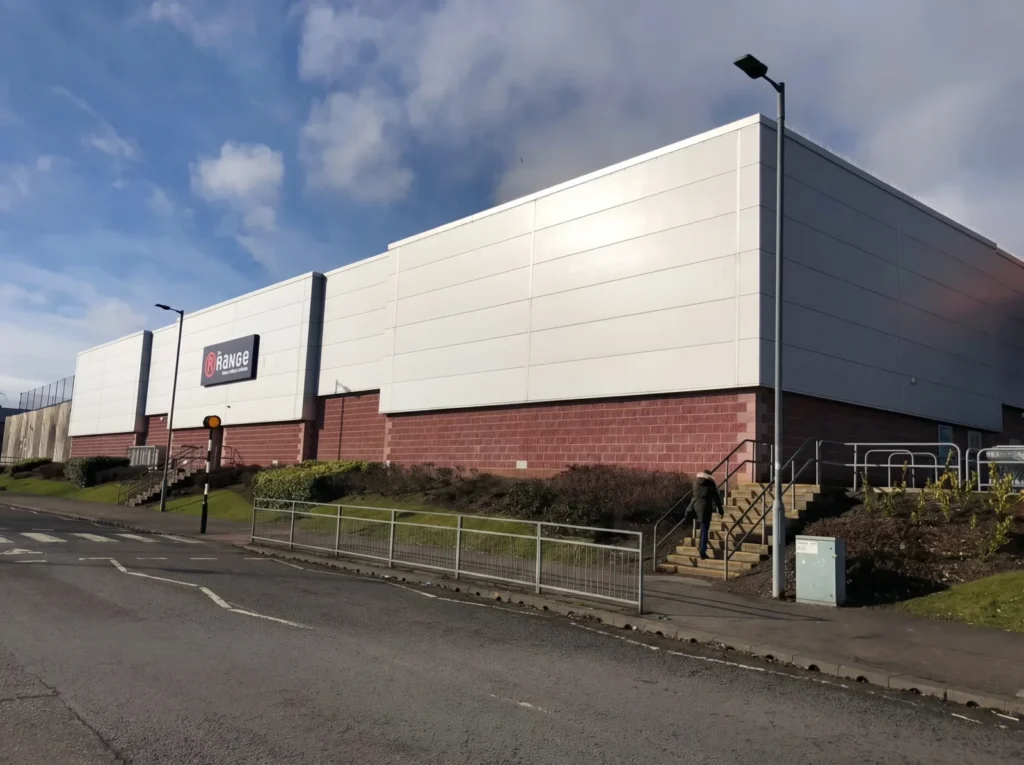
Commercial Cladding Cleaning: Protect Your Asset
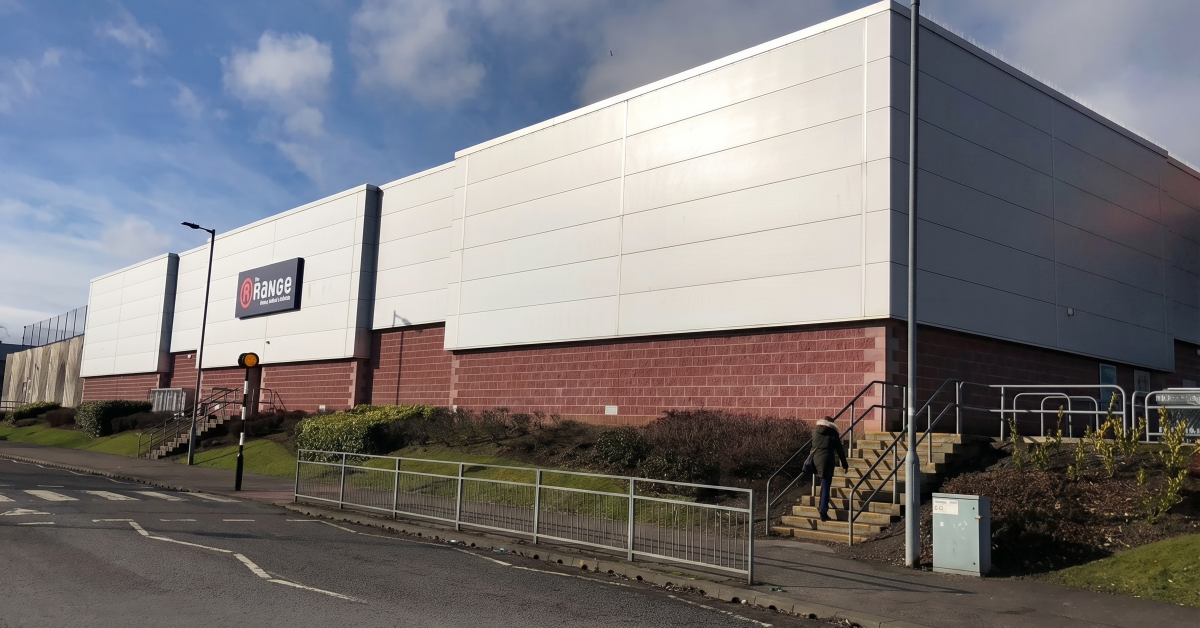
Beyond the Glass: Why Commercial Cladding Cleaning Protects Your Asset
Cladding is one of the most visible and exposed elements of any commercial building.
Yet it is often one of the least maintained.
Over time, environmental exposure, pollution, and organic growth begin to degrade surfaces, impacting both appearance and performance. What starts as a cosmetic issue can quickly become a structural and financial risk.
Commercial cladding cleaning is not just about presentation. It is a preventative maintenance strategy that protects the building fabric, supports compliance, and reduces long-term repair costs.
Key Takeaways
- Commercial cladding cleaning protects materials from long-term degradation
- It reduces reactive maintenance costs and extends asset lifespan
- It supports compliance within wider Facilities Management Services
- It improves building presentation and tenant perception
- It should be planned proactively, not delivered reactively
What Happens When Cladding Is Left Unmaintained
Cladding systems are designed to protect the structure beneath. However, they are constantly exposed to:
- Airborne pollutants
- Traffic emissions
- Organic growth, such as algae and moss
- Weathering from rain and UV exposure
Over time, this leads to:
Surface Degradation
Contaminants begin to break down protective coatings and finishes. This can result in discolouration, staining, and premature material wear.
Moisture Retention
Organic growth and debris trap moisture against the surface, increasing the risk of corrosion, staining, and structural damage.
Increased Cleaning Complexity
The longer the cladding is left untreated, the more aggressive and costly the cleaning process becomes.
At this stage, cleaning moves from routine maintenance into reactive intervention.
Commercial Cladding Cleaning as Preventative Maintenance
A structured commercial cladding cleaning programme shifts the approach from reactive to preventative.
Instead of responding to visible deterioration or complaints, cleaning is scheduled as part of ongoing Facilities Management Services.
This delivers three key benefits:
1. Asset Protection
Regular cleaning removes contaminants before they can damage the material. This helps preserve:
- Protective coatings
- Structural integrity
- Manufacturer warranties
2. Cost Control
Preventative cleaning is significantly more cost-effective than reactive building maintenance.
Reactive works often involve:
- Specialist access equipment
- Intensive restoration processes
- Disruption to building operations
Planned cleaning avoids escalation and reduces lifecycle costs.
3. Operational Consistency
Facilities teams can manage maintenance more effectively when cleaning is planned.
This aligns with broader Reactive Building Maintenance strategies, where the goal is to reduce unplanned interventions.
The Link Between Cladding Cleaning and Facilities Management
Cladding cleaning should not sit in isolation.
It forms part of a wider Facilities Management Services framework that includes:
- External cleaning programmes
- Planned preventative maintenance (PPM)
- Reactive Building Maintenance response
- Compliance and inspection readiness
From a facilities perspective, the objective is simple:
Maintain the building before issues become visible or disruptive.
In practice, this means integrating cladding cleaning into seasonal or annual maintenance schedules rather than treating it as a one-off task.
This approach also supports internal stakeholders, including:
- Estates managers
- Contract managers
- Compliance leads
All of whom are responsible for maintaining safe, functional environments across multiple sites.
When Should Commercial Cladding Cleaning Be Scheduled
Timing is critical.
Cladding cleaning should be planned around:
Seasonal Conditions
Spring and summer typically provide the most stable conditions for external works, allowing for consistent delivery.
Building Usage
Cleaning should be scheduled to minimise disruption, particularly in:
- Healthcare environments
- Education facilities
- Commercial office spaces
Maintenance Cycles
Cladding cleaning should align with other external works, such as:
- Window cleaning
- Façade inspections
- Minor repair works
This creates a coordinated approach that improves efficiency and reduces downtime.
Reactive Building Maintenance vs Planned Cleaning
Many organisations still rely heavily on Reactive Building Maintenance.
This often leads to:
- Higher costs
- Emergency call-outs
- Disruption to operations
- Reduced asset lifespan
Cladding cleaning is a clear example of where this approach creates unnecessary risk.
When cleaning is delayed until visible issues appear, the building has already begun to deteriorate.
A planned approach ensures:
- Issues are addressed early
- Surfaces remain protected
- Maintenance remains predictable
This is particularly important for facilities teams managing multiple properties, where consistency is critical.
The Commercial Impact of Poor Cladding Presentation
Beyond maintenance, there is a clear commercial impact.
A poorly maintained exterior affects:
- Brand perception
- Tenant satisfaction
- Visitor experience
In sectors such as commercial offices, healthcare, and education, building presentation directly influences how the organisation is perceived.
Clean, well-maintained cladding signals:
- Operational control
- Attention to detail
- Investment in the environment
This is especially important for high-traffic or client-facing sites.
A Structured Approach to Commercial Cladding Cleaning
An effective strategy should include:
Site Assessment
Understanding the type of cladding, level of contamination, and access requirements.
Method Selection
Choosing the appropriate cleaning method based on the material and condition. This may include:
- Soft washing
- Pressure-controlled cleaning
- Specialist treatments for organic growth
Integration with Maintenance Plans
Aligning cleaning with wider Facilities Management Services to ensure consistency.
Ongoing Scheduling
Moving from one-off cleaning to a recurring programme.
This ensures the building remains in optimal condition year-round.
Conclusion
Commercial cladding cleaning is not a cosmetic upgrade.
It is a critical part of protecting the building, controlling costs, and maintaining operational standards.
When delivered as part of a wider Facilities Management Services strategy, it reduces reliance on Reactive Building Maintenance and supports long-term asset performance.
The question is not whether cladding should be cleaned.
It is whether it is being managed proactively or left until it becomes a problem.
If you are reviewing your building maintenance strategy, now is the right time to assess how cladding cleaning fits into your wider plan.
Speak to The SSH Group to understand how a structured approach to commercial cladding cleaning can protect your asset and reduce long-term costs.