
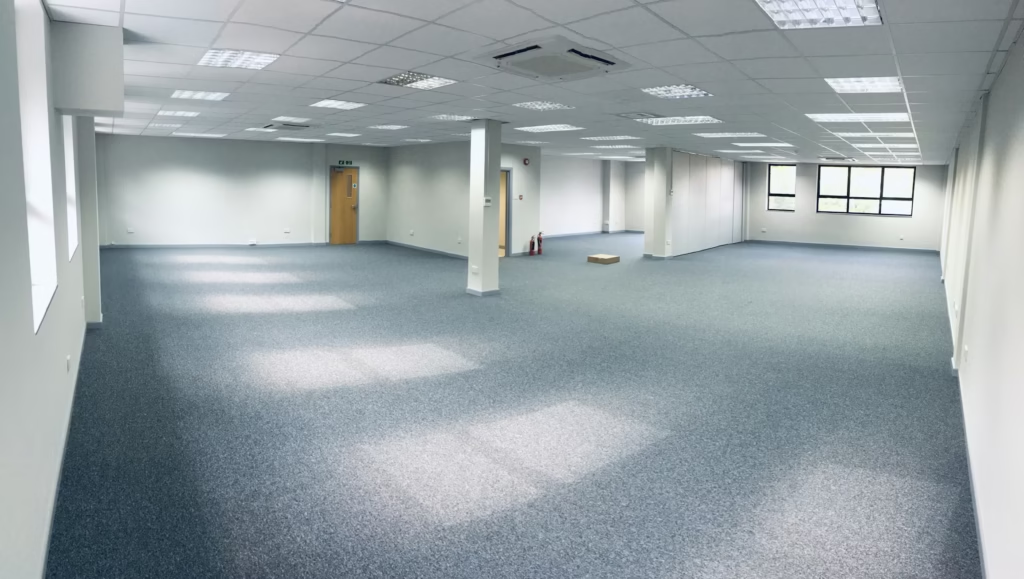
Why Floor Maintenance Protects Your Building, Safety and Long-Term Costs
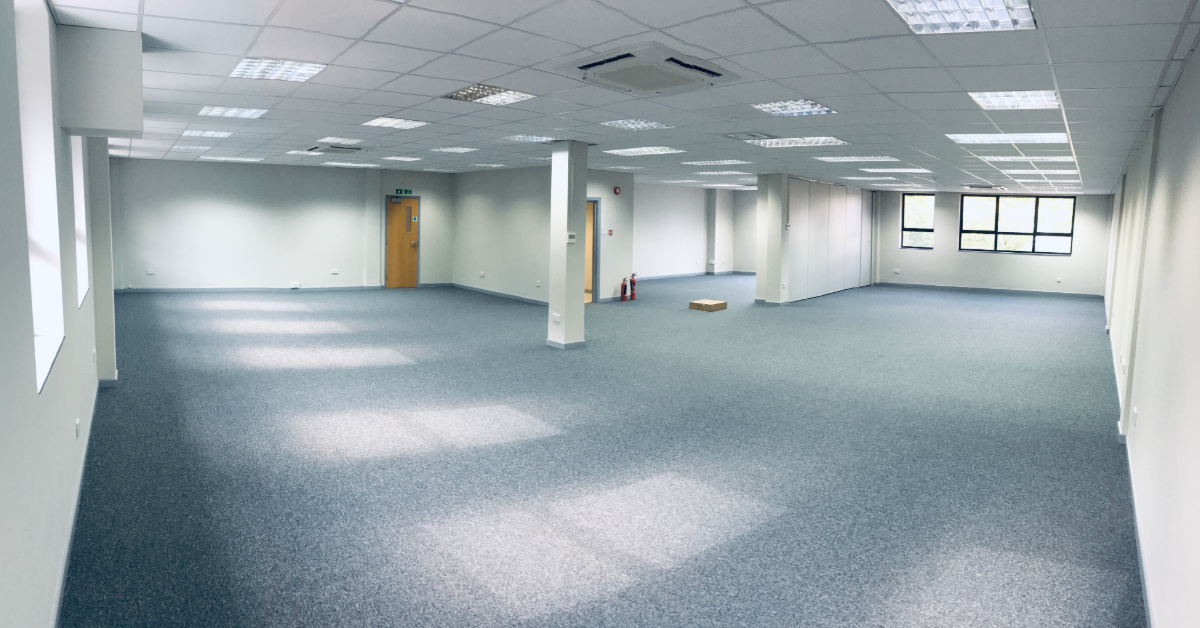
Flooring is one of the most heavily used elements in any commercial environment.
Every day, it absorbs foot traffic, equipment movement, spillages and general wear. This level of exposure means floor maintenance plays a central role in asset performance rather than sitting as a routine cleaning task.
A structured floor maintenance strategy does more than keep surfaces clean. It protects materials, supports safety compliance and reduces reliance on reactive building maintenance. When managed effectively, it becomes a key part of long-term facilities management services delivery.
Key Takeaways
- Floor maintenance extends the lifespan of flooring materials
- It supports safer working environments and reduces slip risks
- Planned maintenance controls reactive building maintenance costs
- Post construction cleaning services protect new flooring from day one
- A structured approach improves consistency across multiple sites
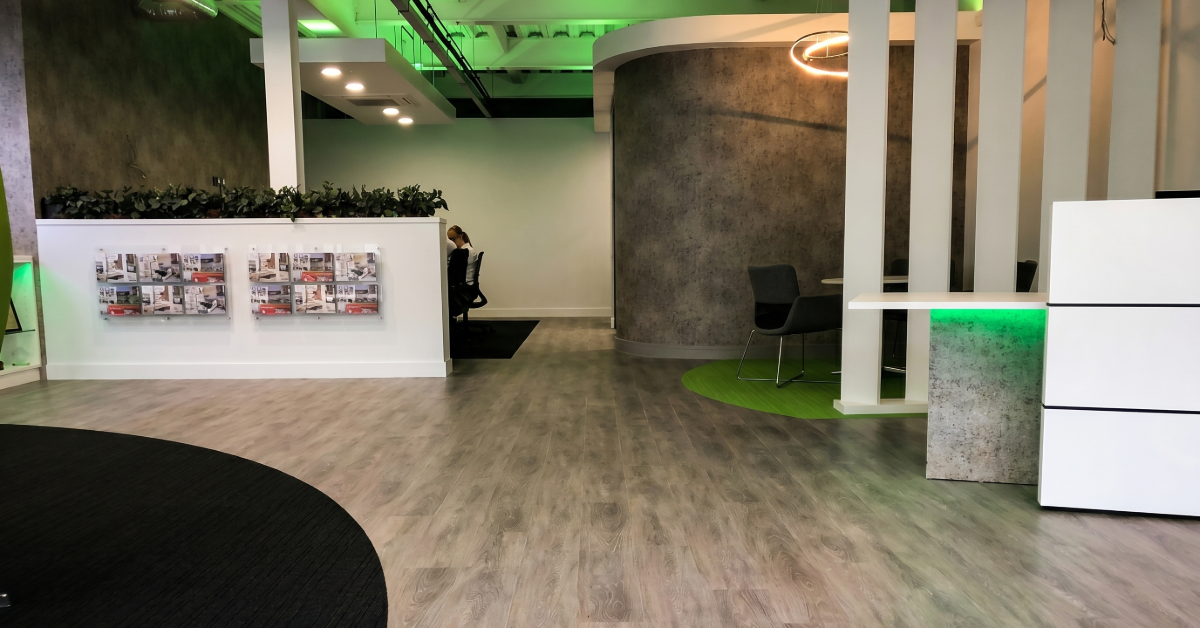
Why Floor Maintenance Deserves Greater Focus
Floors are a constant point of interaction across any site.
From offices and education settings to industrial and healthcare environments, they are exposed to:
- High foot traffic
- Equipment movement
- Dirt and debris tracked from external areas
- Spillages and chemical exposure
Over time, these factors influence performance, safety and appearance.
Material Degradation
Surface coatings gradually wear, finishes become uneven, and materials begin to lose their durability. This is particularly common in vinyl, resin and hard floor systems.
Safety Risks
Floor condition directly affects workplace safety. Surfaces that are worn or contaminated increase the likelihood of slips, especially in high-use or wet areas.
Long-Term Cost Impact
Surface wear can progress to deeper damage when left unmanaged. Addressing wear early supports long-term performance and avoids unnecessary replacement.
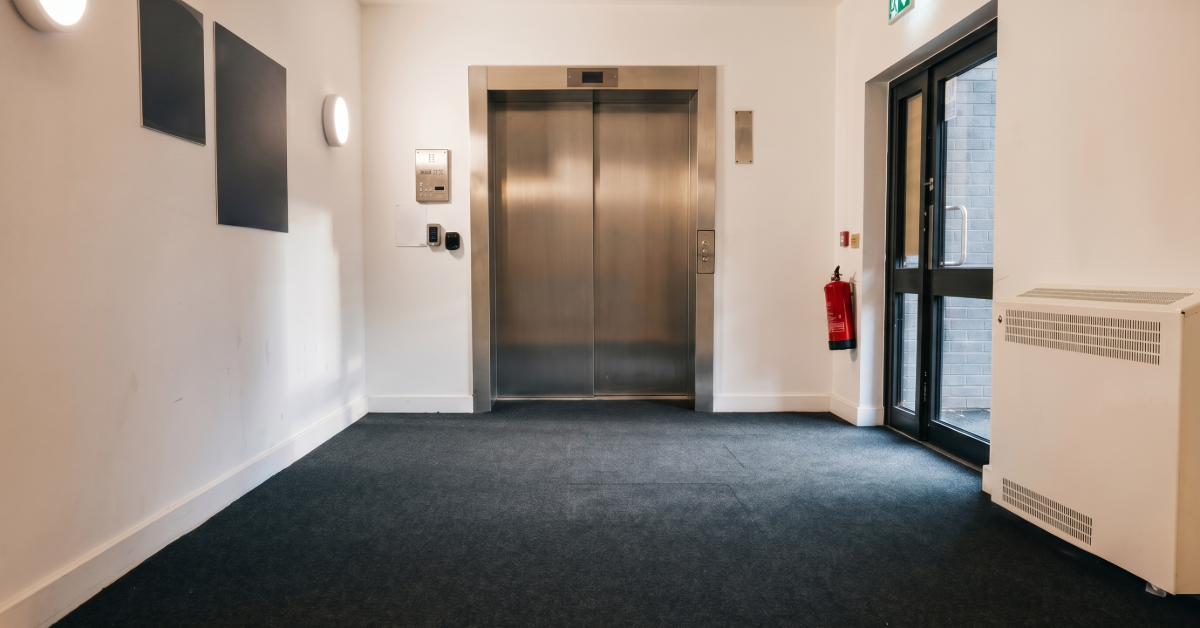
The Impact of Reactive Floor Maintenance
Flooring is often managed through reactive building maintenance.
This approach focuses on:
- Responding to visible damage
- Repairing isolated areas
- Replacing sections when required
While effective in the short term, this creates a repeating cycle of maintenance and cost.
Short-Term Fixes Drive Repeat Work
Reactive work resolves immediate issues, while underlying wear continues to develop across the wider surface.
Operational Disruption
Floor repairs often require:
- Restricted access to working areas
- Temporary closures
- Coordination with multiple teams
This affects productivity and day-to-day operations.
Higher Lifecycle Costs
Maintaining flooring over time is more cost-effective than repeated repair or replacement. A planned approach supports longer asset life and better cost control.
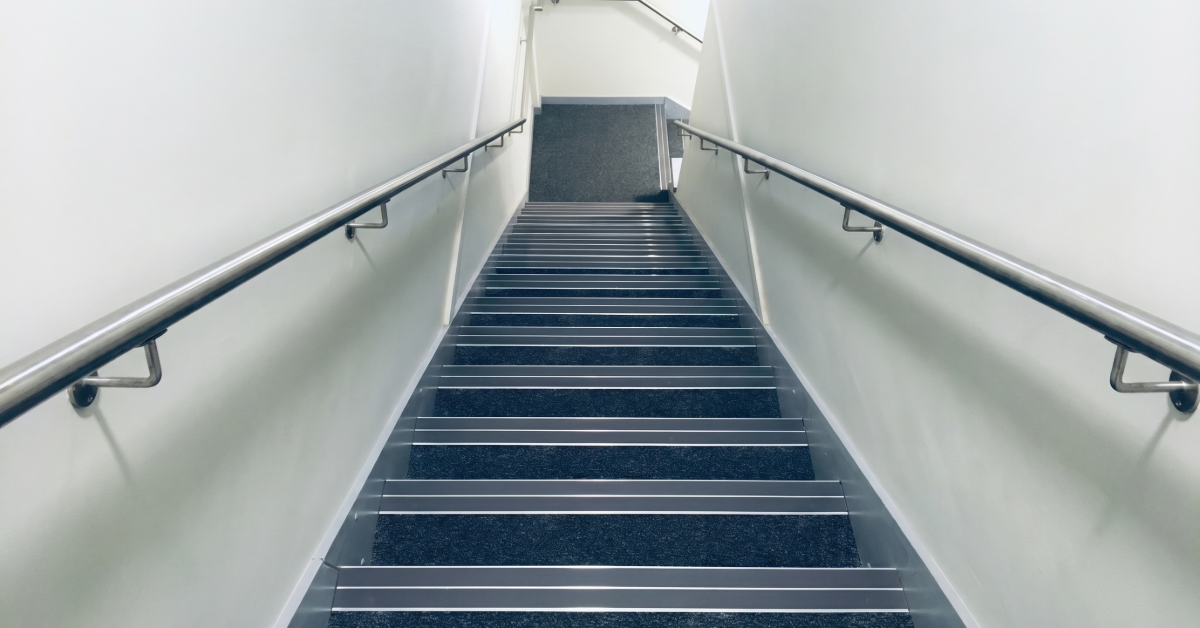
A Preventative Approach to Floor Maintenance
Effective floor maintenance is structured and planned.
It forms part of a wider facilities management services strategy focused on performance and longevity.
1. Routine Cleaning and Care
Regular cleaning removes surface debris that contributes to wear.
This includes:
- Daily cleaning schedules
- Targeted cleaning in high-traffic zones
- Methods matched to flooring type
2. Periodic Deep Cleaning
Deep cleaning restores surface condition by removing embedded dirt.
This is particularly valuable in:
- Entrances and access points
- Corridors and shared spaces
- Industrial and high-use environments
3. Surface Protection and Treatment
Protective treatments help to:
- Maintain surface finish
- Improve durability
- Support slip resistance
This stage plays a key role in extending the lifespan of flooring.
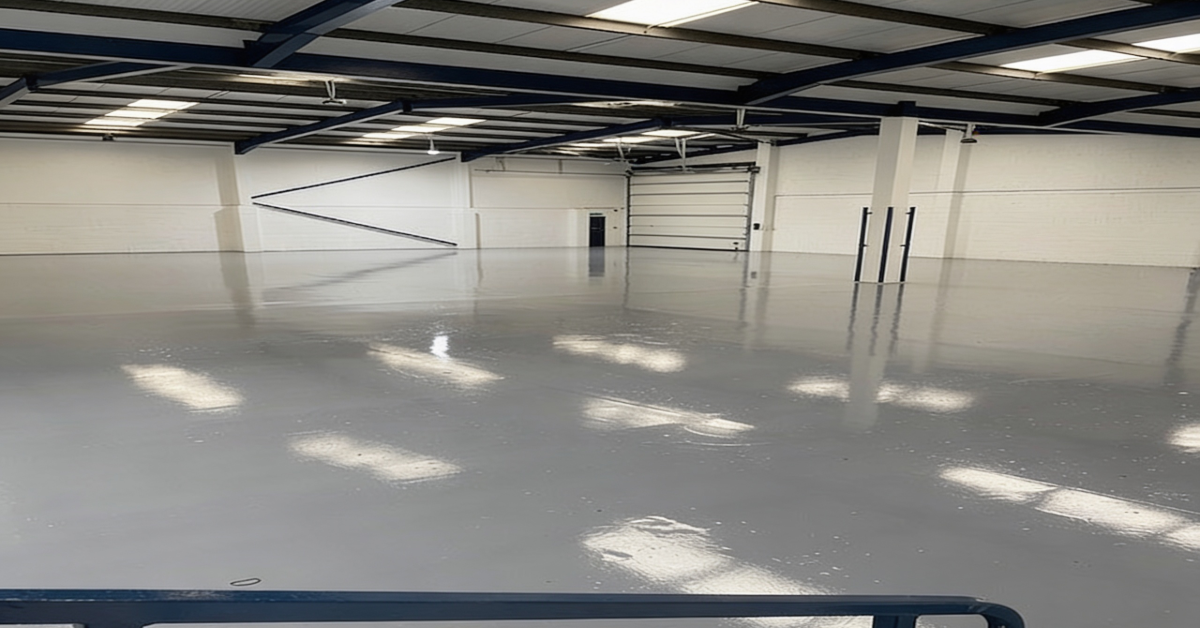
The Role of Post Construction Cleaning Services
New flooring installations and refurbishment projects introduce:
- Dust and debris
- Adhesive residue
- Surface contamination
Post construction cleaning services prepare these surfaces for use by:
- Removing residue and contamination
- Protecting newly installed finishes
- Ensuring the floor is ready for immediate use
This stage supports long-term performance from the outset and aligns with projects such as:
- Builders’ cleans
- Fit-outs and refurbishments
- New-build handovers
Different Environments Require Different Approaches
Floor maintenance strategies vary depending on the environment.
Commercial Offices
Focus on:
- Maintaining a professional appearance
- Consistent presentation across spaces
- Managing moderate foot traffic
Education and Public Buildings
Require:
- Durable cleaning methods
- Consistency across multiple areas
- Alignment with occupancy patterns and schedules
Industrial and Warehouse Environments
Demand:
- Heavy-duty cleaning methods
- Resistance to equipment wear
- High standards of durability and safety
A tailored approach ensures the right methods and schedules are applied.
Integrating Floor Maintenance into Facilities Management Services
The strongest results come from integration.
Floor maintenance works most effectively within a wider facilities management services plan that includes:
- Planned preventative maintenance (PPM)
- Cleaning programmes across the site
- Reactive building maintenance support
- Compliance and safety planning
Why Integration Strengthens Outcomes
Facilities teams manage multiple priorities across sites.
By integrating floor maintenance:
- Standards remain consistent
- Maintenance becomes predictable
- Costs are easier to manage
This creates a more controlled and efficient operating environment.
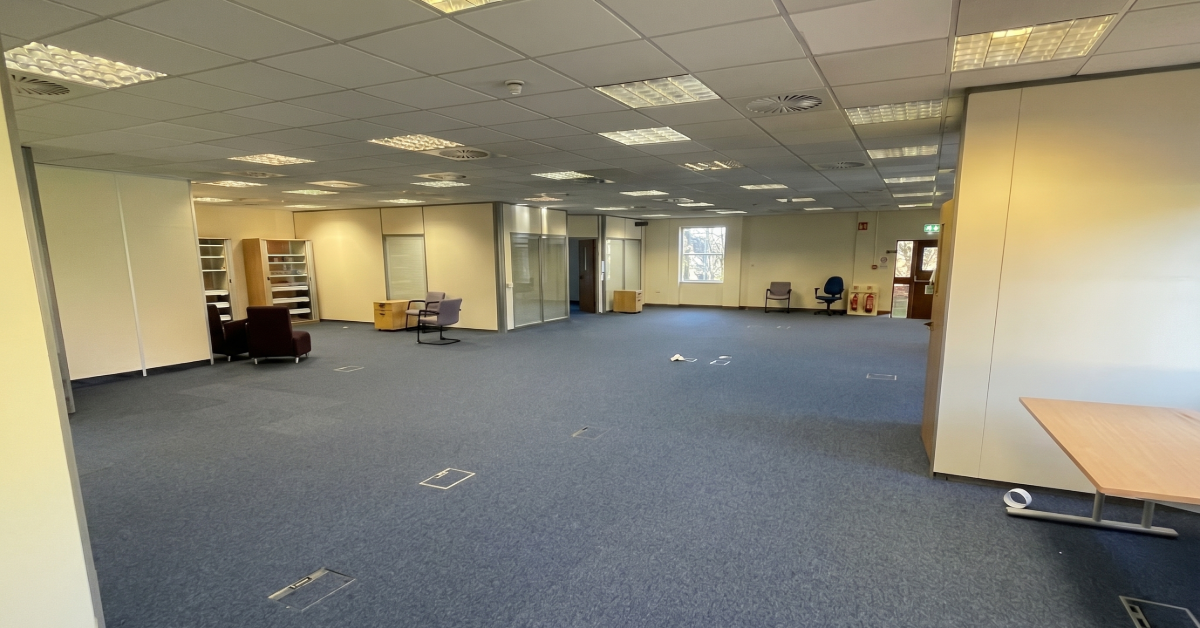
A Practical Floor Maintenance Strategy
A structured approach supports long-term results.
Step 1: Assess Floor Condition
Review:
- Areas of wear
- High-use zones
- Existing damage
Step 2: Define a Maintenance Plan
Set:
- Cleaning frequencies
- Deep-cleaning schedules
- Treatment requirements
Step 3: Align with Site Operations
Coordinate delivery with:
- Working hours
- Access requirements
- Other maintenance activities
Step 4: Monitor and Review
Track performance over time and adjust the plan as needed.
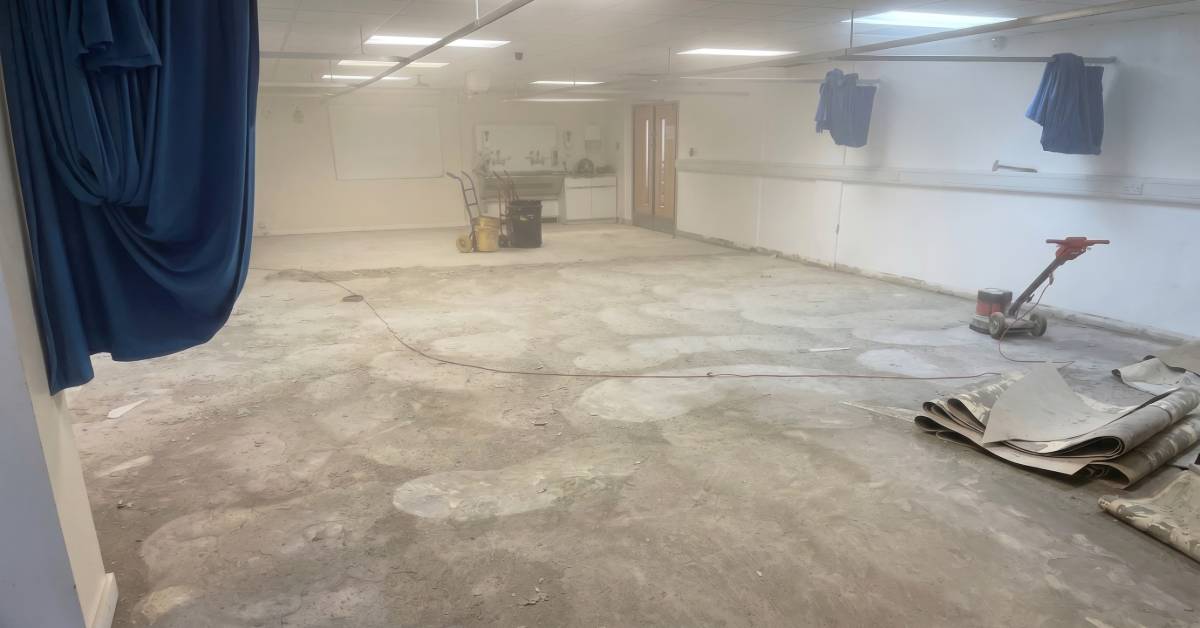
Delivering Long-Term Value Through Floor Maintenance
A well-managed floor maintenance programme supports:
- Safer working environments
- Consistent site presentation
- Controlled maintenance costs
- Extended lifespan of flooring assets
It also contributes to a more efficient and professionally managed facility.
Floor maintenance sits at the centre of building performance, supporting both day-to-day operations and long-term asset value.
For organisations reviewing their maintenance strategy, assessing current floor maintenance programmes is a practical starting point. A structured approach helps identify gaps, improve performance and align maintenance with wider facilities management services.